
Home Care
Solutions at Home®
Understanding and managing home care for a senior can be frustrating and overwhelming. Solutions at Home® is here to make sure seniors get the support and care they need to stay safe and give their loved one’s peace of mind. Whether a senior is recovering from an illness or surgery, or in need of long-term support, Solutions at Home® will take care of whatever is needed.

Let us take care of it for you:
Geriatric Care Managers
Our Care Managers take care of it all.
Our Geriatric Care Managers are trained and experienced nurses and social workers, who partner with the senior and her or his family to ensure that everything is in place to support the senior’s home care. Care Managers create an individualized care plan for the senior and coordinate with other care providers, such as Home Health Aides. We are here to make sure the seniors in our care get what they need to stay as healthy and comfortable as possible.
We have it covered.

Home Health Aides
Home Health Aides help seniors stay safe and healthy. Whether a senior needs temporary care while recovering at home from surgery or an illness, or needs long-term supportive care, our Home Health Aides are there to help. Home Health Aides can also provide companionship services for seniors in nursing homes or assisted living facilities. All our Home Health Aides are licensed, bonded, background checked and supervised by our nursing staff.

Rehabilitation at Home
Nursing and Rehabilitation at Home supports seniors recovering from surgery or an illness, in the comfort and familiarity of their own home. Our team of skilled professionals includes nurses, therapists, home health aides, and other dedicated specialists.
Additional Services
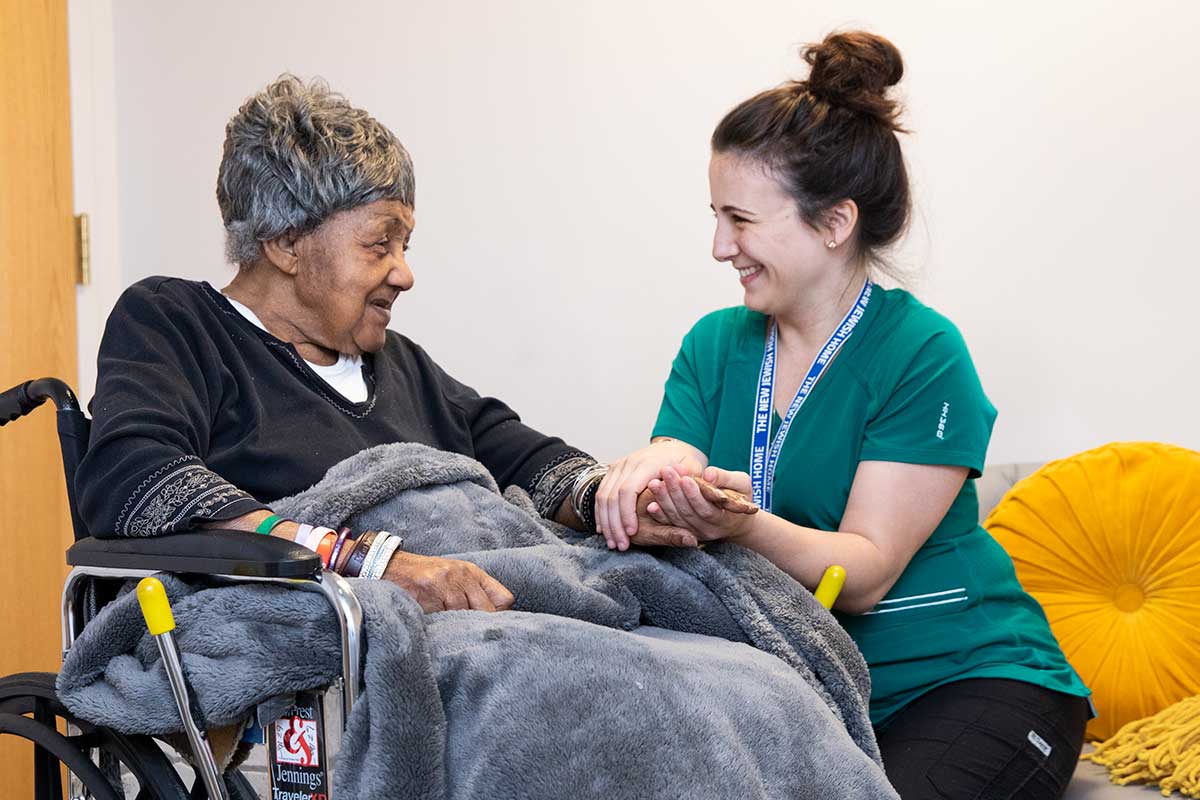
Solutions at Home® can help pay bills, make appointments, accompany the senior to doctors’ appointments, arrange for home safety assessments or special care services, coordinate transportation, and perform other services the senior may need. Each person is unique. We make sure the care we provide recognizes and honors that uniqueness.
Home Care FAQs
All Frequently Asked Questions
What should I expect when caring for my aging parents or loved ones?
It depends on the program. For example, the Solutions at Home Homecare program can include:
- Home visits by nurses, home care aides, and other healthcare professionals, depending on your individual care plan.
- Ongoing monitoring and evaluation of your parent or loved one’s health, comfort, and quality of life, with the plan adjusted as necessary.
- Help in understanding and managing medications
- Regular consultations and coordination between your care team and your family
- Regular contact and coordination with your personal physician to ensure your health care needs are coordinated.
Call Solutions at Home at 646-293-3340 to find out what type of program will make the most sense for your parent or loved one.
What resources can help me care for my parent or loved one?
Solutions at Home is committed not only to providing services, but also to supporting caregivers and family members of seniors. We offer many options, from resources and links to topical information and tip sheets. We highly encourage using an emergency check-list.
How can I get help for my parents or loved ones?
Call Solutions at Home at 646-293-3340 where one of our experts will listen to your concerns and point you in the direction of the right services within our organization. Our experts will help guide you through the services you might need and help you set up appointments to help you make the right choices about those you care for.
How Do I Care For My Parent or Loved One With a Cognitive Disorder?
Caring for Adults with Cognitive Impairments

There are special caregiving challenges when a senior has slight physical ailments, but is cognitively impaired. Cognitive impairments can be completely different from patient to patient.
Some typical symptoms that caregivers can find frustrating include:
- communication problems,
- aggressive or impulsive behavior
- paranoia
- memory issues
- poor judgment
- wandering
Many of these symptoms may require 24-hour supervision. Some people develop behavioral problems early on, and others can go through their entire illness with only minor incidents.
Eight Tips for Caring for Adults with Cognitive Impairments
It can be daunting to care for an adult who suffers from cognitive impairment.
- Remember to be patient
- Anticipate the ups and downs
- Be compassionate
- Keep your sense of humor alive
- Remember who your loved one was prior to the impairment, and that it is the disease, and not the person, causing the behavior.
- Reminiscing can be therapeutic for both the senior and caregiver, as is singing old songs.
- When communicating, keep your language simple and ask one question at a time. Be patient waiting for responses. Even for the healthy older adult, processing information and organizing thoughts takes a bit longer.
- Medical and social adult day programs can be very helpful in engaging the cognitively impaired senior, offering programs and services to maximize her/his functional abilities.
When is it time to look for a nursing home?

Many seniors transfer to a nursing home after a hospital stay. For others, the need stems from a more gradual decline in health. Today, nursing homes are generally for people who need skilled nursing and 24-hour a day monitoring. Another option, geriatric care coordination, can be just what is needed when care needs overwhelm family caregivers, and can mitigate the need to relocate a senior to a nursing home. When is it time to consider moving to a nursing home? Here are six signs that it is time to consider nursing home care.
- A senior is homebound.
- Living at home is no longer safe for the senior.
- The level of health care and assistance needed is increasing and becoming difficult to provide in the home.
- A senior needs close monitoring because of declining health.
- Other options are exhausted. For example, home care is no longer sufficient and other community based programs do not meet your needs.
- Resources are exhausted (as nursing homes are covered by Medicaid)
In these cases, the medical and social facilities found in nursing homes may well offer the opportunity for the senior to enjoy a better quality of life.
It is always wise to have a complete work-up at either an in- or out-patient geriatric assessment facility, typically sponsored by a hospital and a clinic. The PRI and Screen which is used to determine placement appropriateness can be conducted at home. In fact, it is something that some GCMs can do if they have been certified. The better a caregiver understands the scope of a senior’s decline and its likely trajectory, the greater the likelihood that they will choose a safe, even empowering, fit for the senior.
Here’s more information about nursing homes in Manhattan, Westchester and the Bronx from The New Jewish Home.
Five Factors to Consider When Choosing a Nursing Home
- Consider timing: Most nursing home admissions occur after an unplanned hospitalization. You’ll likely get a list of nursing home choices. You don’t have to take the first available opening, but try to find out how much time you have before a decision will need to be made.
- Organize finances: Organize the finances associated with the possible move, including income, savings, assets, health insurance and long term care insurance, if there is a relevant care policy in place. Speak with all the family members who might play a role.
- Think about medical or special needs: Alzheimer’s, low vision, Parkinson’s, Dementia, and other health conditions may require special accommodations. Talk to your medical provider or our GCM about special needs and screen the homes you are considering for their ability to meet these special accommodations.
- Remember, Location is key: A nursing home as close as possible to the most visitors, including family members and friends, is ideal.
- Consider individual wants and needs: The preferences and background of the person who will be living in the nursing home is an important consideration. What does he or she want and need? What features will contribute to the overall quality of life?
What is a PERS?

PERS stands for Personal Emergency Response System. It’s a wearable alert device that allows one to easily call for care in an emergency. You may know it best as the “I’ve fallen and can’t get up” communicator. Some systems have programs that call for help when no call from the senior has been made for 24 hours.
Your Geriatric Care Manager can help identify the most cost–effective system for your parent or loved one’s specific needs.
Is it safe to have strangers in the home providing care?

What goes on behind closed doors is an understandable concern, especially if the senior has some cognitive loss or feels dependent on the homecare worker. Home health aides available through Solutions at Home are certified, bonded and licensed, and supervised by nurses. Home health aides go through a rigorous application process including reference and background review, including criminal record checks. As employees of The New Jewish Home, Solutions at Home home health aides receive ongoing in-service training to keep their skills up-to-date with industry practices.
What does a Home Health Aide do?

Solutions at Home’s Home Health Aides provide senior care at home by assisting with eating, dressing, oral hygiene, bathing, colostomies, medication reminders, etc. They may also provide homemaker services, such as light cleaning, meal preparation, laundry, and escorting seniors to appointments and activities.
What type of care does my loved one need?

The most effective way to find the senior health care and support that is right for your parent or loved one is to have an assessment done by a Geriatric Care Manager who will carefully match your parent or loved one’s medical, household, and social needs with an array of senior care resources available through Solutions at Home as well as other specialty senior service providers.
Learn more about our Home Care Services
What’s the difference between Solutions at Home and hiring a home health aide myself?

The package of a la carte services available through Solutions at Home makes it easy for you to find someone to help your parent or loved one stay home and live independently. We provide and supervise licensed, bonded, experienced certified home health aides who can support a full range of senior needs, from providing personal care (i.e. bathing, feeding) to household chores to medical support and overnight supervision.
If you decide to hire a home health aide on your own, be prepared to interview and manage that person, including all the paperwork required of employers.
You’ll want to make sure that person is reputable and dependable. You’ll want to authenticate certifications and licenses, check references, and conduct a background check. Because this person will be your employee, you’ll need to negotiate a salary, need to ensure minimum wage is met, maintain documents, and file local and federal forms. You’ll also need to develop a vacation and sick time policy and arrange for fill-in care. Even if the aide comes well-recommended, they may not be certified or bonded.
The Mayo Clinic offers this guide to selecting home health services
What is a Geriatric Care Manager?
A professional geriatric care manager is a social worker, nurse, psychologist, or gerontologist trained to assess, plan, coordinate, monitor, and provide services for the elderly and their families. Advocacy for older adults is a primary function of the care manager.
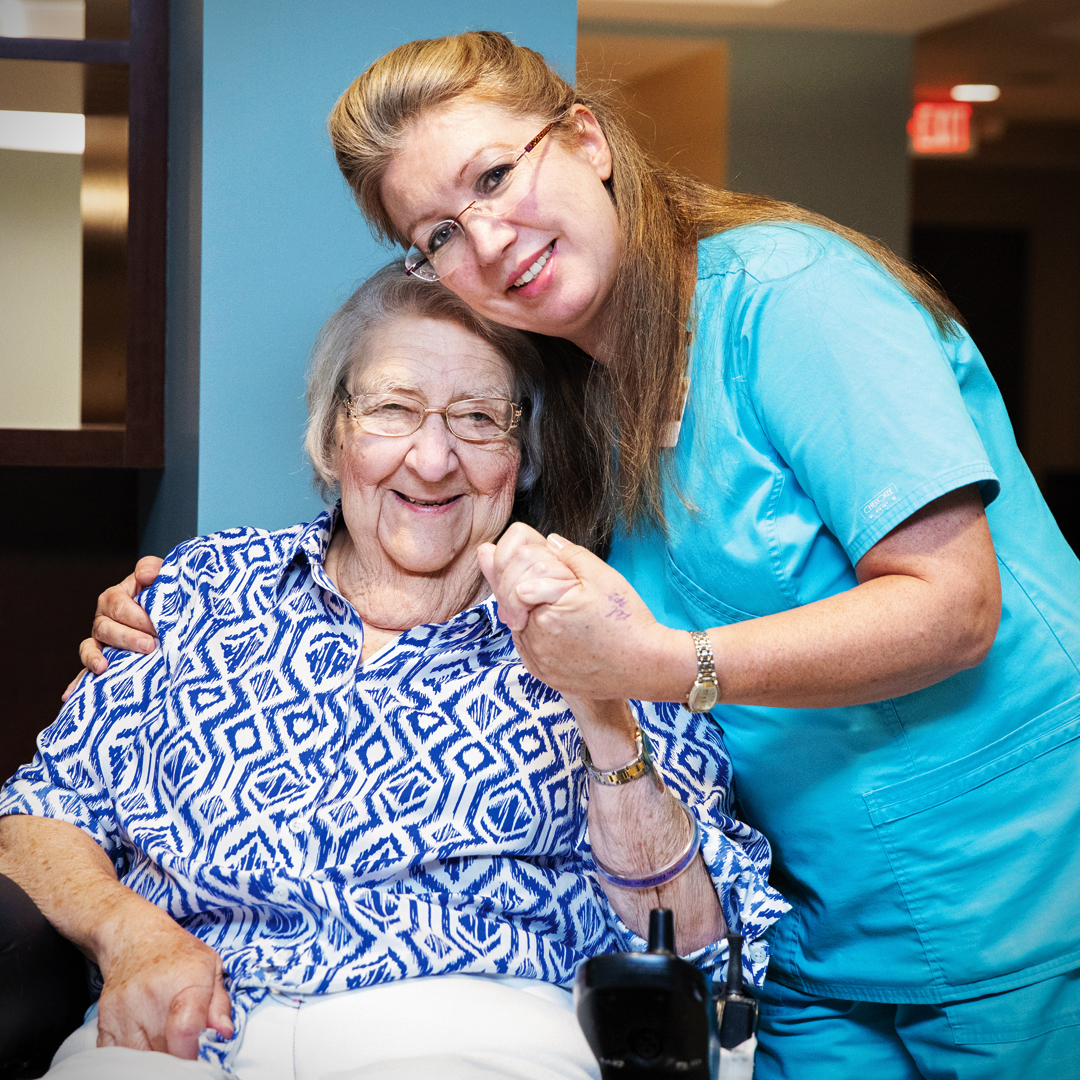
A professional geriatric care manager can help alleviate some of the pressure that adult children may feel by expertly managing their parent’s situation. When a son or daughter provides hands-on care to their parent, the quality time they can be there emotionally for their parent is limited. The care manager can handle complex interpersonal issues, address the immediate problem, remain connected once the crisis passes, and get involved again as the situation requires.
Learn more about our Home Care Services
When is the right time to hire a Geriatric Care Manager?

Serious concerns about a frail or disabled adult arise when early warning signs are evident. When frequent falls and forgetfulness, such as neglecting to pay bills and leaving appliances on and unattended, become recurring events, a geriatric care manager can help. The professionals employed by The New Jewish Home’s Solutions at Home meet with the elder and the family (or caregiver) to conduct a personal interview. The resulting assessment provides the basis for care planning. Wellness evaluations, medical history, an in-depth psychosocial review, along with home and neighborhood safety issues, are key factors in developing a long-term care plan.
Solutions at Home care managers help families hire providers for home care, financial and legal services, home maintenance, meals, transportation, pet care, and other services. They arrange medical appointments and accompany the elder to the office visit. Geriatric care managers are not replacements for the family but rather act as an extra family member who can be relied upon as advocates, especially when family members do not live nearby. Solutions at Home care managers are professionals who know how to determine needs and link caregivers to appropriate services, which allows for peace of mind.
By planning an effective strategic plan for the future, geriatric care managers help caregivers and family members avoid costly crises. They arrange varied services to be delivered to the older adult’s home, reducing the expensive need to move to a retirement home or nursing facility. Because care managers are aware of older adults’ needs and the resources available to them, a care manager is efficient in matching the service needs with the appropriate agency, saving time and money.
Learn more about our Home Care Services
What can a Geriatric Care Manager do for me?
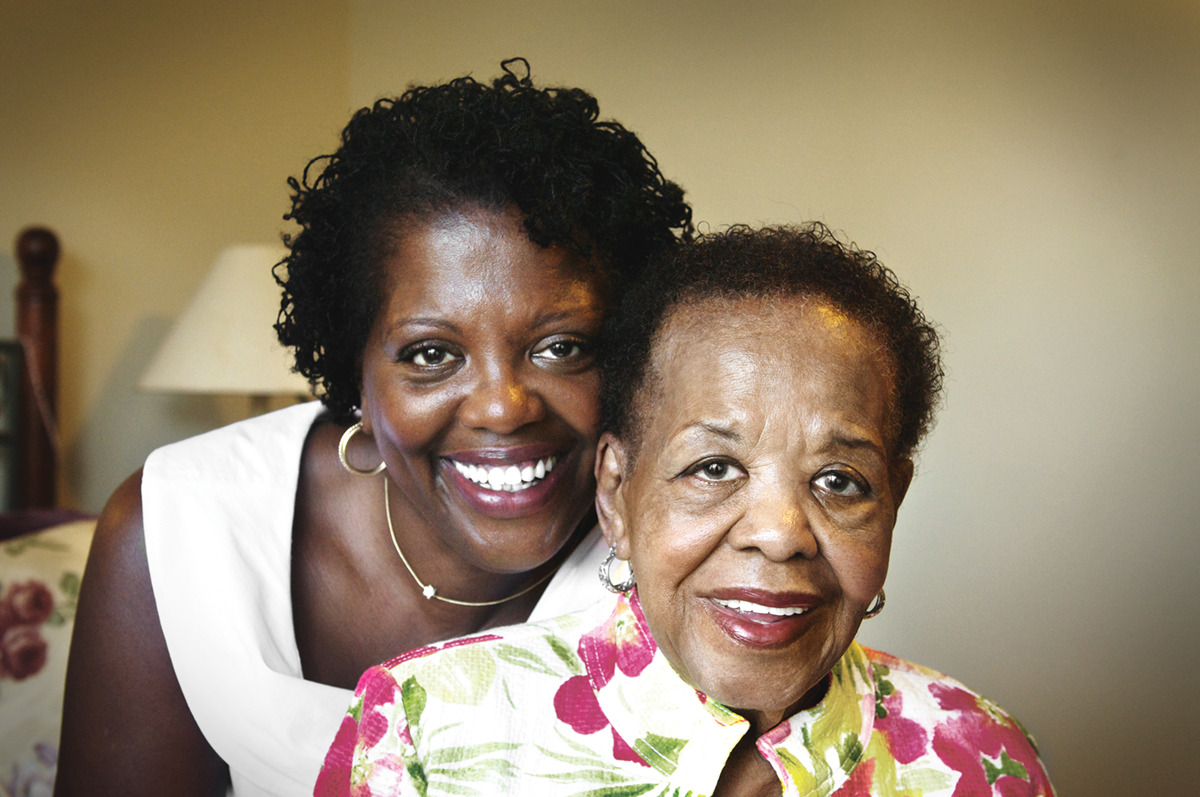
A geriatric care manager will do a complete assessment of the needs and resources to recommend and help implement the senior health and home care services you need for your loved one. They can also be hired to stand in for family and friends in a variety of situations.
Here’s a detailed list of services that a geriatric care manager can provide:
- Conduct assessments to identify what eldercare services are needed
- Screen, arrange and monitor appropriate home health aides
- Provide or recommend onsite screening of elder’s home with an eye to falls prevention and practical accommodations
- Determine eligibility and coordinate senior health care benefits
- Review financial and legal issues and offer referrals to specialists to conserve assets and ensure compliance
- Provide crisis intervention
- Represent and act as a liaison to families living away from the parent
- Help move an older person to or from a nursing home or senior housing facility
- Offer counseling and support for the elder and the caregiver.
Learn more about our Home Care Services
How do I choose a Geriatric Care Manager?

Selecting a geriatric care manager is an important decision. You want someone who will be responsive to you and is adept at communicating with health aides, organizations, medical professionals – and elders.
For their work to be effective, you’ll need to share personal information about yourself, your family, and your finances with a geriatric care manager. You want to be sure the manager you work with has the necessary training, appropriate certifications, and expertise and is guided by professional standards of practice and a code of ethics. Geriatric care management is a relatively new profession and is not widely regulated, so working with a reputable organization is incredibly important.
The geriatric care managers who are part of Solutions at Home are well respected. They have been screened and trained. The New Jewish Home is one of the most experienced, well-regarded organizations serving seniors’ needs, they have access to a range of health and social service specialists.
Learn more about our Home Care Services
When seeking a Geriatric Care Manager, what information do I need to provide? What questions will they ask?
The first step with Solutions at Home is a conversation with The New Jewish Home’s free information and helpline at 646-293-3340. You’ll speak with a skilled, experienced social worker or registered nurse who will help you identify your next steps. It will help to have information related to your loved one’s medical condition, personality, and physical challenges.
Here’s a list of the topics that may be discussed:
- Personal care: bathing, eating, dressing, toileting, grooming.
- Household care: cooking, cleaning, laundry, shopping, finances.
- Health care: medication management, physician’s appointments, physical therapy.
- Emotional care: companionship, meaningful activities, conversation.
- Supervision: oversight for safety at home and wandering prevention.
- Home safety: lighting, furniture configuration, rugs, wiring, and external issues.
- Support network: individuals who are local and play a regular role in the elder’s life.
Learn more about our Home Care Services
What is addressed by a care manager’s evaluation?
After a complete assessment of the elder’s strengths, challenges, and preferences, a geriatric care manager would, together with the family, explore care options most suited to their circumstances.

Some of the key points to cover would be the following.
- What types of rehab are available?
- Is respite care available?
- What kind of care and how much care can be provided at home?
- Who pays for what services? This is an essential question because a common misconception is that Medicare or Medicaid pays for long-term care at home.
- What does insurance (either medical or long-term care) pay for?
- What happens at the end of hospitalization or inpatient rehabilitation when discharge is imminent?
- Is the health care proxy in place?
- Is there a power of attorney?
- Does your state recognize other documents, such as a living will?
- Has the conversation about the wishes stated in the health care proxy been discussed with the individual nominated as a proxy?
- Does the physician have a copy of the document?
- What resources are available to pay for services?
Learn more about our Home Care Services
Keeping Seniors Safe at Home

Our #1 priority at The New Jewish Home has always been senior safety. Now, during the COVID-19 pandemic, safety has become the center of every aspect of our operations. We have taken the following actions to ensure the safety of our seniors at home.
FAQS about COVID-19 Vaccines and Home Health Aides
Interested in Solutions at Home® ?
Please do not submit job/work inquiries through this form. If you are interested in contacting Solutions at Home® for employment opportunities, please check our job listings page.
Call (646) 293-3340
To talk to a home care specialist.